


Spring is a season of renewal, but for homeowners, it is also the start of a volatile weather cycle. From the April showers that lead to basement flooding to the high-velocity winds of Tornado Alley and the sudden, heavy hail of late spring, the transition from winter to summer can be brutal on a property.
Climate patterns have shown that seasonal storms are becoming less predictable and more intense. Waiting for the first dark clouds to appear is a gamble most of us cannot afford. This comprehensive guide is designed to help you fortify your home, protect your family, and ensure you have a reliable power generator strategy to navigate the modern storm season.
Phase 1: The Exterior Fortification (The First Line of Defense)
Your home’s exterior is its armor. If the armor is cracked, the interior is vulnerable. Start your preparedness by walking the perimeter of your property.
1. The Roof: Your Most Critical Shield
The roof takes the brunt of any spring storm. High winds can peel back shingles, while hail can compromise the structural integrity of your roofing material.
-
Visual Inspection: Look for missing, curled, or balding shingles where granules have rubbed off. These are entry points for water.
-
Flashing and Chimneys: Check the metal flashing around chimneys, vents, and skylights. If the sealant is cracked, a heavy spring downpour will find its way into your attic.
-
The Nail It Down Strategy: Experts recommend the FORTIFIED Home™ standard—ensuring your roof is not just laid down, but locked in with ring-shank nails and sealed roof decks to prevent total loss during high-wind events.
2. Gutters and Drainage: Redirecting the Deluge
Clogged gutters are the leading cause of basement flooding and foundation damage.
-
Clear the Winter Debris: Remove the muck—the decayed leaves and twigs left over from autumn and winter.
-
Downspout Extension: Ensure your downspouts discharge water at least 5 to 10 feet away from your foundation. If the soil near your house is saturated, that water will eventually seep into your crawlspace or basement.
3. Landscaping and Tree Health
A healthy tree is a beautiful asset; a dead branch is a 200-pound projectile.
-
The Deadwood Check: Look for widow-makers—large, dead branches hanging over your roof, driveway, or power lines.
-
Pruning: Thin out the canopy of your trees. This allows wind to blow through the tree rather than hitting it like a solid sail, reducing the risk of the entire tree being uprooted.
Phase 2: Power Resilience and Backup Strategies
When the grid goes down during a spring storm, your home’s safety systems—like sump pumps and refrigerators—go down with it. Having a high-power generator like the MyGrid 10K is a critical part of a modern emergency plan.
1. Choosing the Right Backup
There are several ways to keep the lights on, but the technology has shifted toward cleaner, more versatile options.
-
Traditional Fuel: Gas-powered units are common but require constant refueling and produce dangerous exhaust.
-
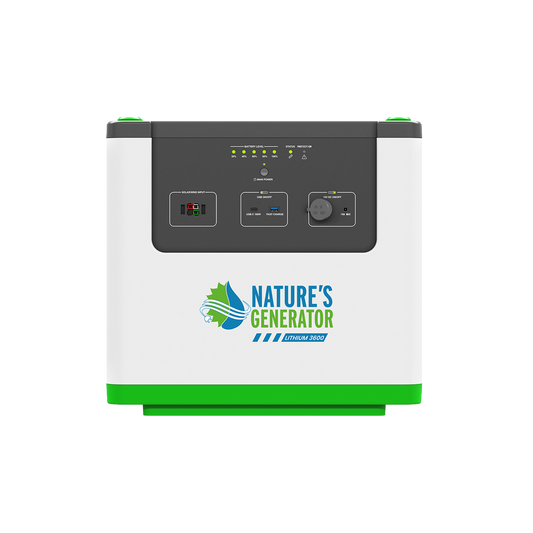
Solar Solutions: Many homeowners are turning to systems like Nature's Generator. These systems allow you to harness the sun (or even wind) to keep your essential appliances running without the noise or fumes of gasoline.
-
The Search for the Best Solar Generator: When looking for the best solar generator for storm season, prioritize expandability. You want a system that allows you to add extra batteries or solar panels if an outage lasts for several days.
2. Sump Pump Maintenance
If you have a basement, your sump pump is your best friend.
-
The Bucket Test: Pour a bucket of water into the sump pit to ensure the float trigger works.
-
Battery Backup: Power often fails during the heaviest rain. If you do not have a whole-home system, ensure your portable power generator is compatible with your pump's wattage requirements.
3. Surge Protection
Lighting does not have to strike your house to cause damage; a strike nearby can send a massive surge through the grid.
-
Whole-House Surge Protectors: These are installed at your electrical panel and protect everything from your refrigerator to your EV charger.
-
Point-of-Use Strips: For high-value electronics, use high-quality surge strips.
Phase 3: Protecting the Openings (Windows and Doors)
Once a storm breaches your home—meaning a window breaks or a door blows open—the internal pressure of the house changes. This internal pressurization is usually what causes roofs to be blown off from the inside out.
1. Windows and Seals
-
Caulking: Inspect the seals around every window. If you see daylight or feel a draft, water will follow that path.
-
Impact Resistance: If you live in a hail-prone or high-wind area, consider upgrading to impact-resistant glass or keeping pre-cut plywood panels in the garage for emergency boarding.
2. The Garage Door: The Hidden Weak Link
The garage door is often the largest and weakest opening in your home. If it fails, the wind can lift your roof.
-
Reinforcement: Check if your garage door is wind-rated. You can buy vertical brace kits that reinforce the door against high-pressure winds.
Phase 4: The 2026 Emergency Kit Essentials
We have moved beyond just bandages and flashlights. A modern emergency kit reflects our reliance on technology and the reality of longer recovery times.
The Go-Bag vs. The Stay-Box
You need two versions of your kit: one that is portable if you must evacuate, and one that is robust if you are hunkered down.
|
Category |
Item |
Why It Matters |
|
Energy |
Nature's Generator |
To keep phones, medical devices, and small appliances running indoors. |
|
Health |
7-day supply of prescriptions |
Pharmacies may be closed or inaccessible post-storm. |
|
Safety |
Head protection (Helmets) |
New safety guidance suggests helmets for tornado-prone areas to protect against debris. |
|
Finance |
Physical Cash |
If the power is out, credit card machines and ATMs will not work. |
Pro Tip: Document your home’s condition now. Take a 5-minute video walking through every room and the exterior. If you need to file an insurance claim, this before footage is your strongest evidence.
Phase 5: The Digital Preparedness (Insurance and Alerts)
1. Review Your Policy (The Flood Gap)
Most homeowners are shocked to learn that standard homeowners insurance does NOT cover flood damage.
-
Inland Flooding: Even if you are not in a flood zone, 20% of flood claims come from low-to-moderate risk areas. Ask your agent about Inland Flood Coverage.
-
Sewer Backup: Ensure you have an endorsement for Water Back-up and Sump Overflow.
2. Smart Alerts
-
WEA Alerts: Ensure Wireless Emergency Alerts are enabled on your phone.
-
NOAA Weather Radio: Technology can fail. A battery-powered or hand-crank NOAA radio is the only 100% reliable way to get life-saving information when the cell towers go down.
Phase 6: Post-Storm Recovery (The First 24 Hours)
Once the sky clears, the danger is not over. Follow these steps to ensure a safe recovery:
-
Check for Gas Leaks: If you smell gas or hear a hissing sound, leave the house immediately and call the utility company from outside.
-
Avoid Downed Lines: Treat every downed wire as if it is live. Stay at least 30 feet away.
-
Deploy Your Portable Power: If the grid is down for an extended period, set up your best solar generator in a sunny spot to begin recharging your backup batteries for the night ahead.
-
Photo Evidence: Before you touch a single fallen branch or mop up a puddle, take photos. This is the Evidence Phase for your insurance claim.
-
Mitigate Further Damage: You have a duty to mitigate. If a window is broken, cover it with plastic. If the roof is leaking, try to tarp it if safe. Keep receipts for all materials used.
Spring storms are a force of nature, but they do not have to be a disaster for your household. By breaking your preparedness down into manageable tasks—roof, drainage, and a solid power generator strategy—you move from a state of anxiety to a state of readiness.
Our Spring Power Refresh is now live! Homeowners can secure whole-home protection at up to 33% OFF. From March 3-16, 2026 only.


