


The dream of off-grid living usually involves a sun-drenched cabin and a battery bank that’s always at 100%. But then November hits. The Golden Hour becomes a Grey Minute, and that sleek solar array starts looking like a very expensive roof ornament.
If you live in a northern latitude or a perpetually overcast region, you’ve likely stared at your monitor and wondered, how long do power outages last when the sun goes on vacation? In a traditional grid setup, it’s a few hours. Off-grid? Without a plan, it’s until spring.
This is the Winter Energy Gap, and bridging it is the difference between a cozy winter retreat and a cold, dark survival exercise. Here is how you can secure off-grid power for low-sun areas without losing your mind (or your toes).
1. The Reality Check: Why Solar Isn't Enough
In the summer, a standard solar kit is a rockstar. But in winter, two things happen simultaneously: your production plummets due to short days and heavy cloud cover, while your consumption skyrockets because you’re staying inside, running lights longer, and trying to stay warm.
To survive the dip, you need to stop thinking about Solar Power and start thinking about Energy Management.
2. Enter the Hybrid Hero: Residential Wind-Solar
If there is one secret weapon for low-sun areas, it’s the wind. Usually, when the sun isn't shining, the weather is moving—and moving weather means wind.
By investing in residential wind-solar hybrid systems, you create a 24-hour power cycle. While your panels take a nap at 6:00 PM, a turbine can keep spinning through a midnight blizzard. This diversification ensures that your battery bank gets a constant trickle of energy, preventing the deep discharges that ruin lead-acid or even lithium batteries in the cold.
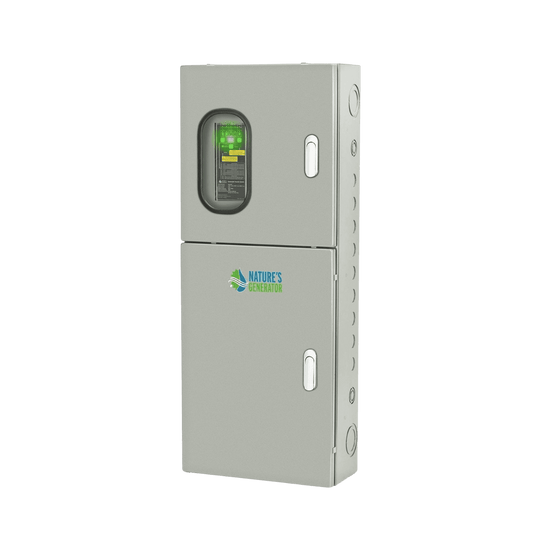
3. Smart Hardware: The Role of Nature’s Generator
For those who aren't electrical engineers, DIY off-grid setups can be intimidating. This is where Nature’s Generator comes into play.
These systems are designed to be expandable and user-friendly. In a low-sun environment, the ability to easily daisy-chain extra Power Pods (battery units) is vital. It allows you to store a massive surplus during those rare 3-day windows of clear sky to carry you through a week of gloom. Plus, their systems are built to integrate both wind and solar inputs right out of the box, making the hybrid approach much simpler to execute.
4. Tactical Steps to Bridge the Gap
How do you actually survive a month with only 2 hours of good light a day? You play defense.
-
The 45-Degree Rule: In the summer, panels usually sit flat. In winter, you want them nearly vertical (around 60° depending on your latitude). This sheds snow automatically and catches the sun when it’s hugging the horizon.
-
Dump the Phantom Loads: That instant-on TV or the coffee maker with the digital clock? They are vampires sucking your batteries dry at night. Use physical power strips to kill the power entirely.
-
Insulation is Energy: Every BTU of heat you keep inside is a Watt-hour you don't have to generate. If you're using electric heat (like a heat pump), your insulation is essentially part of your battery system.
5. Managing the How Long Do Power Outages Last Anxiety
If you are transitioning from the city to the woods, the fear of a dead battery is real. On the grid, you ask: When will the utility company fix this? Off-grid, you are the utility company.
In low-sun areas, a power outage lasts exactly as long as your storage capacity allows. If you have 3 days of autonomy (storage) and it rains for 4 days, you’re in the dark on day four—unless you have a backup. Always keep a dual-fuel generator (running on propane or gas) as a break glass in case of emergency tool to top off your batteries when the clouds won't budge.
Living off-grid in a low-sun area isn't impossible; it just requires a bit more grit and better gear. By combining residential wind-solar tech (we swear by this product bundle), utilizing robust systems like Nature's Generator, and obsessing over efficiency, you can turn the winter energy gap into a non-issue.


