


Power outages have become a growing threat to modern households. In recent years, data reveals a staggering increase in grid disruptions across the United States. Whether it is a seasonal hurricane on the coast or an unexpected winter storm in the Midwest, staying informed is your first line of defense. At Nature’s Generator, our team has helped thousands of families transition from being grid-dependent and a reliable backup power .
This guide will answer the most critical questions regarding the US outage map and real-time tracking tools. We will explore how to find the most accurate data during a blackout, how to interpret grid stress levels, and—most importantly—how to leverage that information to activate your home backup strategy before the lights go out.
US Power Outage Map
- What Is a US Outage Map?
- Where to Find a Reliable US Power Outage Map?
- How to Use These Maps Effectively
- What to Do Once a Power Outage Occurs?
What is a US Outage Map and Why Should You Use One?
A US outage map is a sophisticated digital platform that aggregates real-time data from hundreds of utility providers to show exactly where power is down. These maps are not just for utility workers; they are essential tools for homeowners to assess the severity of a situation. Based on our experience, the difference between a two-hour nuisance and a three-day emergency often comes down to how quickly you can identify the scope of the problem.
These maps provide several layers of information:
-
Total Customers Affected: Helps you understand if the issue is a local transformer failure or a regional grid collapse.
-
Restoration Estimates: Gives you a timeline to decide if you need to engage your full-home backup system.
-
Outage Density: High-density areas often receive priority for utility repairs, while rural areas might wait longer for a crew to arrive.
By monitoring a US outage map, you can make proactive decisions. For example, if you see an outage spreading toward your county, our team recommends checking your generator to ensure it is fully charged and ready to take over the load the moment the grid fails.

What Should I Do When the Outage Map Confirms a Long-Term Failure?
Once the US outage map confirms that your area is in for a long-term disruption, your focus must shift from tracking to thriving. Real-world usage scenarios show that families who wait until the grid is already down to find a solution often face sold-out stores and dangerous travel conditions.
Immediate Action Checklist:
-
Safety First: Unplug sensitive electronics like computers and high-end TVs to prevent damage from power surges when the grid eventually comes back online.
-
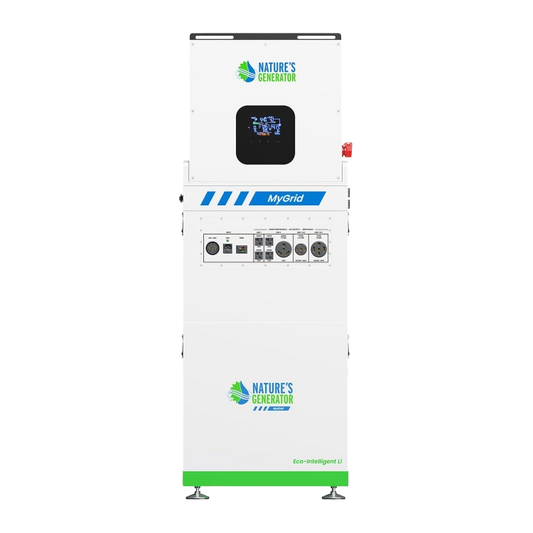
Activate Your Backup: If you have a Lithium 6000, engage the transfer switch. Our customers frequently report that having a dedicated transfer switch makes the transition to backup power seamless, often taking less than a minute to restore power to essential circuits.
-
Manage Your Resources: Use the map to monitor surrounding areas. If the map shows that neighboring towns are getting power back, you can afford to use more energy for comfort. If the map remains red for miles, stay in conservation mode to preserve your battery life.
Why Are US Power Outages Becoming More Frequent and Severe?
Understanding the why behind the map data helps in long-term planning. Our national grid is aging, with many components over 50 years old. Combine this with the increased demand from electric vehicles and the higher frequency of extreme weather, and the result is a fragile system.
Recent data shows that weather-related outages have increased significantly over the last two decades. This is why we advocate for a tiered backup approach. Instead of relying solely on the grid, modern homeowners are using the US outage map to identify when they need to go off-grid temporarily. By integrating solar and wind, you essentially become your own utility company, making the colors on a national outage map irrelevant to your daily life.
Identifying Regional Risks Through Outage Trends
The US outage map often reveals regional patterns that should dictate your choice of backup power. In the Coastlines, for instance, hurricane-induced outages are a primary concern, making high-capacity systems with wind turbine support ideal. In the Southwest, extreme heat and grid overloads are more common, favoring solar-heavy systems that can capture the abundant sunlight.
Many of our users have shared feedback that during major winter storms, having the ability to add Power Pods to their existing setup was the only reason they were able to keep their heaters running for longer than usual. This scalability is a core reason why Nature's Generator is a reliable solution for home backup power. When you see your region consistently "lighting up" on the national map, it is a clear signal that your local infrastructure may be struggling, and a more permanent backup solution is necessary.
Turning Data into Preparedness
A US outage map is a powerful diagnostic tool, but it cannot keep your refrigerator running or your house warm. It provides the data you need to make informed decisions, but the safety of your home ultimately depends on the hardware you have standing by.
By monitoring real-time tracking sites and comparing that data against your local utility’s reports, you gain a clear picture of the grid’s health. However, as the energy landscape continues to grow more volatile, the best strategy is to reduce your reliance on that grid altogether. Whether you choose a compact portable unit for your essentials or a robust whole-home system, Nature’s Generator offers the flexibility and reliability needed to stay powered when the map turns red. Don't wait for the next major storm—use the information available today to choose a backup solution that ensures you are never left in the dark.


