


Transitioning to renewable energy is a brilliant move for your wallet and the planet, but the real magic happens when you marry that setup with a reliable fail-safe. Integrating an automatic generator transfer switch with your home solar generator is the ultimate power move for true energy independence.
However, this isn't just about plugging things in and hoping for the best. To keep your family safe and your equipment running for years, you need to navigate the technicalities of electrical codes and hardware compatibility. Let’s dive into how you can bridge the gap between sunshine and constant power.
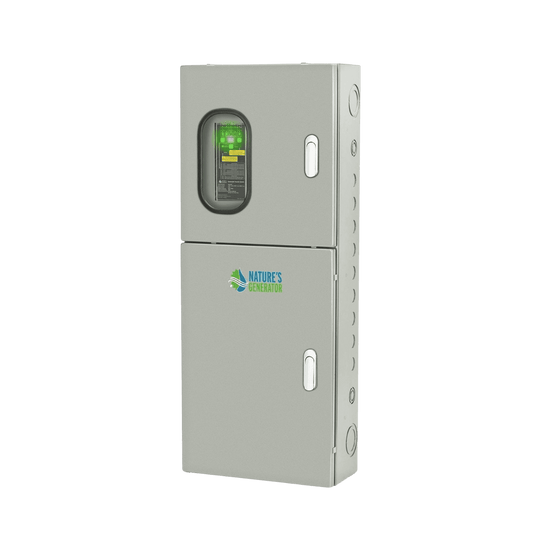
Why the Transfer Switch is Non-Negotiable
When you install a home solar generator, you are essentially building a private power plant. During a grid failure, your solar panels and battery storage do the hard work. But without a proper interface, that energy has nowhere to go—or worse, it goes exactly where it shouldn't.
The primary role of an automatic generator transfer switch is to act as a traffic cop for your electricity. It prevents backfeeding, which occurs when your backup system sends electricity back out into the utility lines. This is a lethal hazard for line workers trying to restore power. Beyond safety, it protects your sensitive electronics from power surges that occur when the grid flickers back to life.
Choosing the Right Hardware
Compatibility is the cornerstone of a successful installation. If you are using a robust system like one from Nature's Generator, you are already ahead of the curve. These systems are designed with versatility in mind, allowing for easy integration with transfer kits.
When selecting your switch, consider the following:
-
Amperage Rating: Ensure the switch can handle the maximum output of your home solar generator.
-
Circuit Count: Determine how many essential loads (refrigerator, lights, well pump) you need to power during an outage.
-
Switching Speed: An automatic generator transfer switch is superior to manual versions because it detects the power loss and flips the connection in milliseconds, often before your clocks even reset.
Step-by-Step Integration Strategy
1. Assessment of Critical Loads
Before touching a screwdriver, identify your must-have appliances. While we would all love to run the central air conditioning on a battery, your home solar generator has finite limits. Prioritize kitchen appliances, medical equipment, and basic lighting.
2. Positioning the Transfer Switch
The switch usually sits between your main breaker panel and your backup source. If you are utilizing Nature's Generator accessories, they often provide streamlined cables that simplify this physical connection. Ensure the area is dry, accessible, and meets local clearance codes.
3. Wiring for Compliance
This is where the National Electrical Code (NEC) becomes your best friend. Every wire must be sized correctly to prevent overheating. Most modern setups for a home solar generator use a sub-panel approach. This isolates the backed-up circuits from the rest of the house, creating a clean, safe energy loop.
Navigating Safety Standards and NEC Compliance
Electricity does not forgive mistakes. Following the NEC is not just about avoiding fines; it is about preventing house fires.
The Importance of Grounding
Proper grounding is the most overlooked aspect of DIY solar integration. Your automatic generator transfer switch must be bonded correctly to the home’s grounding electrode system. If the system is not grounded, a fault could energize the metal casing of your appliances, leading to severe shocks.
Rapid Shutdown Requirements
Modern safety codes require a rapid shutdown mechanism for solar arrays. This ensures that firefighters can quickly de-energize the panels in an emergency. When integrating your home solar generator, verify that the transfer switch does not bypass or interfere with these critical safety shut-offs.
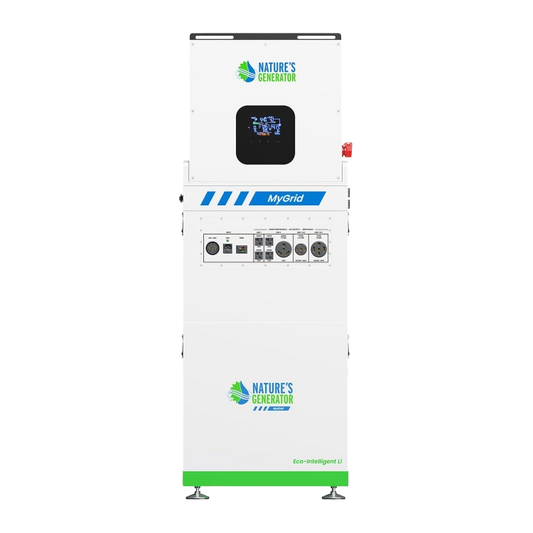
Maximizing the Lifespan of Your Home Solar Generator
Once the hardware is installed, maintenance becomes the priority. A home solar generator is a sophisticated piece of technology that thrives on consistency.
-
Battery Health: Avoid draining your batteries to 0%. Most systems, including those from Nature's Generator, have built-in management systems, but keeping them between 20% and 80% charge can significantly extend their life.
-
Exercise the Switch: Once a month, simulate a power outage. This ensures the automatic generator transfer switch is moving freely and the logic board is communicating correctly with your backup source.
-
Dust and Debris: Keep the vents on your inverter and the transfer switch clean. Heat is the enemy of efficiency.
The Environmental and Financial Payoff
Integrating these systems is an investment that pays dividends in peace of mind. By using a home solar generator, you reduce your reliance on fossil-fuel-powered portable units that are noisy and emit dangerous carbon monoxide.
Furthermore, many jurisdictions offer tax credits or rebates for installing permanent backup solutions that include an automatic generator transfer switch. Check with your local utility provider to see if your setup qualifies for any "smart home" or "resiliency" incentives.
Common Pitfalls to Avoid
Even seasoned DIYers can stumble during a complex install. Watch out for these common errors:
-
Undersized Wiring: Using a gauge that is too thin for the current will cause a voltage drop and potential melting.
-
Neutral-to-Ground Bonds: Depending on whether your home solar generator is a bonded or floating neutral system, you may need to adjust your transfer switch settings to avoid "nuisance tripping" of GFCI breakers.
-
Ignoring Permits: Always pull a permit for electrical work. If a fire occurs and you don't have a permit, your insurance company might deny the claim.
Building a resilient home is a journey, not a destination. By combining the eco-friendly power of a home solar generator with the sophisticated brain of an automatic generator transfer switch, you create a fortress of reliability. Brands like Nature's Generator make this transition smoother, but your commitment to safety and compliance is what truly completes the circuit.
The next time the neighborhood goes dark, you won't be searching for candles. You will be sitting in a well-lit home, powered by the sun and protected by smart engineering.


