


The way we lived in 2020 feels like a lifetime ago, right? Back then, "home" was just where you crashed. Now, in 2026, our houses are basically high-performance data centers that we also happen to sleep in. We’ve got EVs in the garage, smart HVAC systems hummin' away, and more gadgets than a Sharper Image catalog.
To tell you the truth, our power grid is straight-up ancient. It’s struggling. Between utility companies hiking rates every other month and those "once-in-a-century" storms happening every Tuesday, a few solar panels on the roof just won't cut it anymore. If you want to actually keep your life running when the grid decides to take a nap, you need to rethink your setup.
The "Flashlight" Era is Over
Remember when people got solar just to shave twenty bucks off their electric bill? Or those tiny backup batteries that could barely keep a lamp and a phone charger going? Yeah, those are paperweights now.
Modern life is power-hungry. Think about it—an EV charger can pull 11.5 kW. Your central air? That beast needs a massive "surge" (sometimes 15 kW!) just to get the compressor moving. If you try to run all that on a first-gen battery, the whole thing is gonna trip faster than a toddler in oversized shoes.
Why the "Surge" Matters (and Why You're Probably Underpowered)
I see people asking how much does a solar generator cost all the time, but they’re asking the wrong question. It’s not just about the price tag; it’s about "burst" capacity.
Most older batteries from a few years back only gave you maybe 5 kW of continuous juice. That’s fine for a fridge, but the second your AC kicks on? Pop. System down. 2026 tech—think the Tesla Powerwall 3 or the newer Bluetti rigs—has basically doubled that. You want a system that can handle the "initial kick" of your heavy appliances without breaking a sweat.
Picking the Right Brains for Your House
You need a system that isn’t a total dummy. We’re introducing to you the SHEMS (Smart Home Energy Management Systems). Think of it as a digital air-traffic controller for your electricity.
-
Prioritization: If the power goes out, the "brain" tells the dishwasher to chill while keeping the HVAC running.
-
Weather Watching: It sees a storm coming on the radar and tops off your reserves automatically.
-
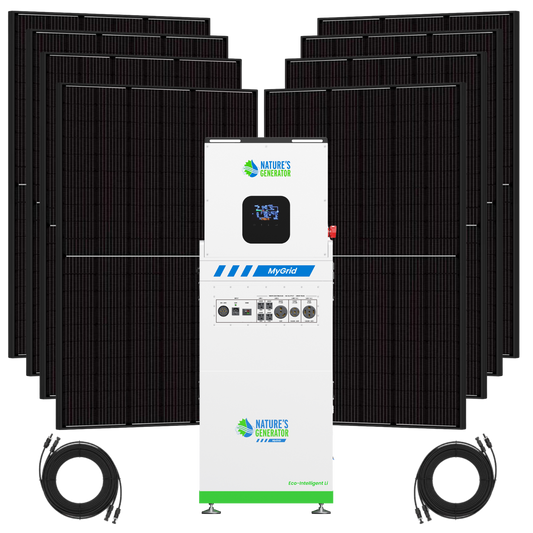
The Nature's Generator Factor: You need something rugged. Whether you’re looking at a Nature's Generator for portable reliability or a massive unit for the whole house, the goal is sovereignty.
The EV and HVAC Headache
Let’s talk about the big kids on the block. Your car is basically a giant battery on wheels. By now, bi-directional charging is finally becoming a "thing," meaning your car can actually power your house for days. It’s a total game-changer.
And for the AC? Do yourself a favor and get a "Soft Starter." It’s this cheap little gadget that reduces the startup surge by like 70%. It makes it way easier for a solar power generator to handle the load without screaming for mercy.
Is It Actually Worth the Cash?
I get it, the upfront cost is a pill to swallow. But check out the math:
-
Peak Shaving: You use your stored battery power during the "expensive hours" (usually 4 PM to 9 PM) and refill from the sun the next morning. It’s like stealing money back from the power company.
-
VPPs: Sometimes the utility company will literally pay you to "borrow" a bit of your extra energy during heatwaves. Your battery basically starts paying its own rent.
Don't Build for 2026—Build for 2030
The biggest mistake? Sizing your system for how you live right now. We’re moving toward a world where everything—stoves, water heaters, leaf blowers—is electric. If your backup barely covers the essentials today, it’s going to be obsolete by the time you finish paying it off.
You aren't just buying a fancy box of lithium; you're buying the peace of mind that comes with knowing that when the neighborhood goes dark, your ice cream stays frozen and your house stays cool.


