


The global energy landscape is currently undergoing a massive transformation.
We have observed through years of developing home power solutions, the conversation has shifted from "if" we should transition to renewable energy to "how fast" we can do it. Our modern lives rely on a dependable electrical grid, but that grid is only as reliable as the fuel sources feeding it.
Let us answer the critical questions surrounding the future of energy: What is the fundamental difference between renewable and nonrenewable resources? How do these sources impact your monthly bills and home energy security? Most importantly, we will explore which energy path provides the most resilient future for the grid and how you can take control of your own power independence using Nature’s Generator technology.

What is the Difference Between Renewable and Nonrenewable Resources?
To understand the future of the grid, we must first define the two categories of energy that power our world. Based on our experience in the industry, the distinction is best understood through the lens of sustainability and depletion.
Nonrenewable resources are finite. These include fossil fuels like coal, petroleum (oil), and natural gas, as well as nuclear energy (uranium). These resources took millions of years to form deep within the Earth. Once they are extracted and burned for energy, they are gone forever. In our view, the primary risk of nonrenewables isn't just that they run out, but that the process of extracting and burning them releases greenhouse gases and toxic byproducts that destabilize the environment.
Renewable resources, on the other hand, are naturally replenished on a human timescale. These include:
-
Solar Power: Harnessing sunlight via photovoltaic panels.
-
Wind Power: Capturing kinetic energy through turbines.
-
Hydropower: Using the flow of moving water.
-
Geothermal: Tapping into the Earth’s internal heat.
At Nature’s Generator, we focus on solar and wind because they allow for distributed energy generation. This means instead of relying on a single, massive power plant, every homeowner can become their own "power plant," creating a more resilient and decentralized grid.
Why is the Current Power Grid Struggling with Traditional Fuel Sources?
The traditional grid was built for a different era. It was designed for one-way power flow: large coal or gas plants generated electricity and sent it out to homes. However, our team has identified several reasons why this model is failing today’s consumers:
-
Price Volatility: Nonrenewable resources are subject to global politics and supply chain disruptions. When oil or gas prices spike, your utility bill follows.
-
Infrastructure Decay: Many traditional power plants are aging. According to customer feedback we’ve received, many homeowners are experiencing more frequent "brownouts" or rolling blackouts because the old grid cannot handle modern demand.
-
Environmental Externalities: Burning fossil fuels is the leading cause of climate change. As extreme weather events become more common—driven by these very emissions—the grid becomes more vulnerable to damage from storms, wildfires, and floods.
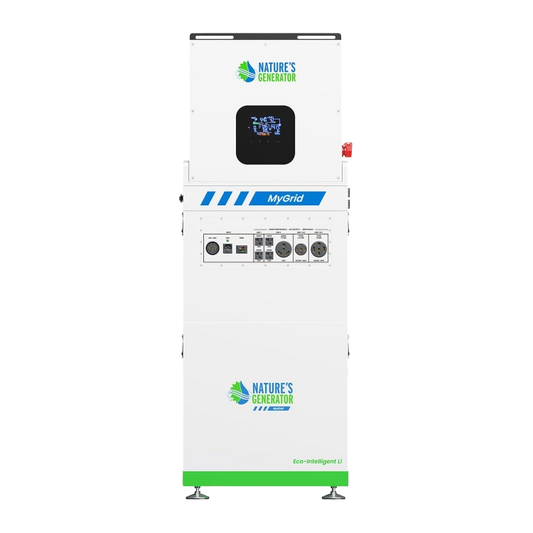
By shifting toward renewables, we remove the fuel variable from the equation. Sunlight and wind are free, making the long-term cost of energy much more predictable. For those looking to protect their homes during these grid instabilities, our MyGrid 10K offers a way to maintain power even when the traditional grid fails.
How Do Solar and Wind Energy Improve Grid Reliability?
A common question we hear is: "If the sun doesn't shine and the wind doesn't blow, how can renewables be more reliable than coal?" Short answer: storage and smart technology.
The grid of the future is a "Smart Grid." It uses digital technology to manage two-way power flow. When you have a wind turbine or solar array, you are potentially contributing back to the stability of your local area.
The Role of Energy Storage. Renewables are intermittent, but storage solves that. By using advanced battery systems, we can capture excess energy produced during the day (solar) or at night (wind) and save it for later use. This "shaves the peak" of energy demand, preventing the grid from becoming overwhelmed. Based on our experience, homes equipped with battery backups are significantly less likely to suffer during mass outages because they operate on an island of self-sufficiency.
Which Energy Source is More Cost-Effective in the Long Run?
When comparing renewable vs. nonrenewable resources, you have to look at Upfront Costs vs. Operational Costs.
-
Nonrenewables (Fossil Fuels): Often have lower upfront costs for the utility company because the infrastructure already exists. However, the operating costs are high and never-ending. You must constantly buy more fuel to keep the lights on.
-
Renewables (Solar/Wind): These have a higher initial setup cost. However, once the equipment is installed, the fuel is $0.00.
Research shows that the price of solar panels has dropped by over 70% in the last decade. Meanwhile, the cost of fossil fuel electricity continues to trend upward. For the homeowner, investing in a solar generator system is a way to lock in your energy price for the next 20+ years.
Transitioning Your Home to the Future Grid
To help visualize the difference, let’s look at a practical example.
The Scenario: A homeowner in a hurricane-prone region.
-
Traditional Approach: Relies on a gas-powered standby generator. During a major storm, gas stations run out of fuel or lose power themselves. The homeowner is left with a "brick"—a machine that works but has no fuel to run.
-
Future Grid Approach: The homeowner uses a Nature’s Generator system paired with solar panels and a wind turbine. Even if the roads are blocked and the gas stations are closed, the sun and wind continue to provide energy. Their system stores power in high-capacity batteries, ensuring the refrigerator, medical devices, and lights stay on indefinitely.
This is the shift from resource dependence to resource independence.
Is Nuclear Energy a Viable Part of the Future Grid?
Nuclear energy is a highly debated topic. It is considered a nonrenewable resource because it depends on uranium, which is limited in supply. Despite this, it is regarded as a clean energy source since it does not produce carbon emissions.
While nuclear can provide a stable baseload of power, we believe the future belongs to decentralized renewables. Nuclear plants take decades to build and billions of dollars to fund. Solar and wind systems can be deployed in weeks and scaled as needed. For the average consumer, waiting 20 years for a new nuclear plant doesn't solve today's rising energy costs or the immediate need for backup power.
Why Renewables are the Only Path Forward
The debate between renewable and nonrenewable resources is reaching its natural conclusion. Nonrenewable resources provided the foundation for the industrial age, but they are too volatile, too dirty, and too finite to fuel the next century.
The future of the grid is clean, decentralized, and resilient. By transitioning to solar and wind, we are not only protecting the environment—we are also building a more stable economy, one where energy prices are no longer dictated by global conflicts, such as the recent oil price spikes driven by the closure of the Strait of Hormuz amid the US–Israel and Iran war.
If you are ready to move away from grid dependence, Nature’s Generator provides the tools to make that transition seamless.


