


The global race to reach Net Zero by 2050 isn’t just a green dream anymore; it’s an urgent economic necessity. As we navigate the complexities of 2025, the shift away from fossil fuels is no longer optional. While the transition requires a "silver buckshot" approach—using everything from solar to green hydrogen—wind energy is the backbone of the movement.
From massive offshore arrays in the North Sea to decentralized solutions for off-grid living, wind power provides the scale and flexibility we need to stop carbon emissions in their tracks.
How Does Wind Energy Work?
Before diving into global goals, it’s helpful to understand the mechanics. How does wind energy work? At its core, a wind turbine is the exact opposite of a desk fan. Instead of using electricity to make wind, it uses the wind to make electricity.
The wind turns the turbine blades, which spin a shaft connected to a generator. This generator uses electromagnetism to convert that kinetic energy into electrical energy. On a macro scale, these turbines feed the national grid. On a micro scale, smaller units or portable systems (especially the ones people have been raving about on Nature's Generator reviews) allow individuals to capture this energy for personal use.
1. The Power of Scale and Efficiency
To hit Net Zero, we have to clean up the electricity sector first. Wind energy is uniquely capable of doing the heavy lifting because of its sheer output. Modern offshore turbines are engineering marvels; a single unit can now power thousands of homes for an entire year.
As of 2025, global wind capacity has surpassed 1.3 Terawatts (TW). Unlike solar, which is limited by the day-night cycle, wind—especially offshore—offers high "capacity factors." This means turbines generate electricity more consistently, providing a level of reliability that rivals traditional coal or gas plants without the toxic emissions.
2. Wind Turbine for Homes: Decarbonizing the Household
While giant wind farms get the headlines, the "prosumer" movement is just as vital. Many homeowners looking to reduce their carbon footprint are investigating a wind turbine for homes.
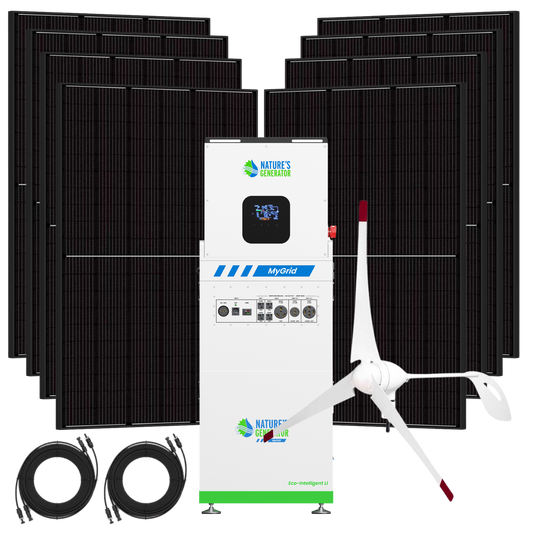
Residential wind systems, often paired with solar panels, provide a balanced energy profile. When the sun goes down or winter hits, wind speeds often pick up. Products from brands like Nature's Generator have become popular because they offer a "goldilocks" solution: portable, expandable, and capable of harnessing both sun and wind to keep a home running during grid outages or to lower monthly bills.

3. The Most Cost-Effective Path
One persistent myth is that green energy is too expensive. In reality, wind is now one of the cheapest sources of new electricity on the planet.
-
Zero Fuel Costs: Unlike gas or coal, wind is free. Once the infrastructure is built, the "fuel" price is locked in at zero for the next 25 years.
-
Energy Security: By using local wind, countries (and individuals) protect themselves from the volatile price swings of the global oil and gas markets.
4. Decarbonizing "Hard-to-Abate" Industries
Net Zero requires more than just clean lights; it requires cleaning up heavy shipping, aviation, and steel manufacturing. This is where wind energy shines through Green Hydrogen.
Wind farms produce massive amounts of surplus energy during high-wind periods. This "extra" power can run electrolyzers to create green hydrogen—a clean fuel for ships and factories. Without the massive scale of wind energy, producing enough green fuel to meet 2050 goals would be physically impossible.
5. Environmental Longevity and Recycling
A common concern in general renewable discussions is the footprint of the equipment itself. However, a typical wind turbine "pays back" its lifetime carbon footprint within six to eight months of operation.
Furthermore, the industry is moving toward a circular economy. In 2025, nearly 90% of a turbine’s components—like steel and copper—are easily recyclable. New innovations are even making the composite blades recyclable, ensuring we don't trade a carbon crisis for a waste crisis.
|
Feature |
Wind Energy Impact on Net Zero |
|
Operational Emissions |
Zero CO2 or methane. |
|
Land Use |
Dual-use possible (farming/grazing under turbines). |
|
Water Usage |
Virtually zero (unlike thermal plants that need cooling). |
|
Energy Security |
Reduces reliance on imported fossil fuels. |
Overcoming the Hurdles
Is wind energy perfect? Not yet. To reach Net Zero, we still need to tackle a few challenges:
-
Grid Updates: Our power grids need to be modernized to handle decentralized energy.
-
Storage: We need batteries to store power for when the air is still.
-
Permitting: We need faster approval processes to get turbines spinning sooner.
Wind energy is the workhorse of the modern era. Whether it’s a massive turbine in the ocean or a compact unit in your backyard, harnessing the wind is the most direct path to a sustainable future.


