


During a power outage, the sound of stillness is more frightening than the actual darkness. Your refrigerator stops humming, the Wi-Fi goes down, and that comforting sense of security disappears when the grid goes down.
But can a solar powered backup generator actually keep your family comfortable, or is it just an expensive camping gadget? Let’s break down the reality of solar energy storage for the modern home.
What Exactly Is a Solar Powered Backup Generator?
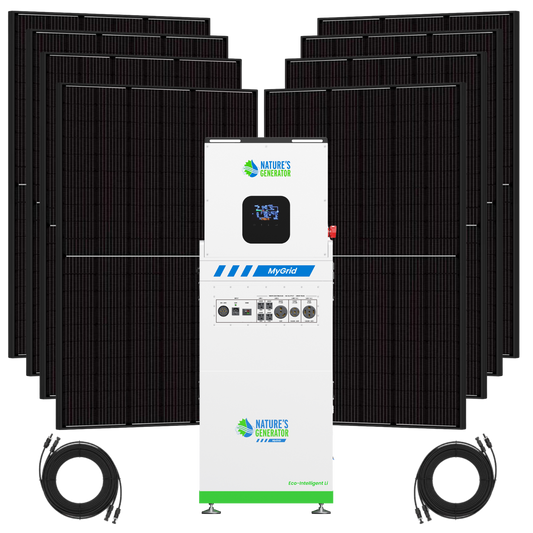
Think of a solar generator as a bridge between the sun and your appliances. A solar system consists of three core components: solar panels to collect energy, a battery bank to store it, and an inverter to turn that stored energy into usable power for your house.
When you search for the best solar generator for home use, you are essentially looking for a modular battery ecosystem. These units are silent, produce zero emissions, and require no fuel runs during a storm. However, the limitation is capacity. Once the battery is empty, you need the sun to shine to recharge it—or a secondary charging source like a wall outlet or wind turbine.
Power, Math, and Reality Checks
One of the biggest hurdles in choosing a backup system is understanding the technical specs. Many homeowners get overwhelmed by the jargon. You will see terms like volts, amperes, and watts thrown around.
If you are looking at your electrical panel, you might get confused by the conversions. For instance, people often ask about the relationship between current and power. It is a fundamental rule in physics that 1 ampere is equal to watt values only when you know the voltage of the circuit. In a standard household setting, you are usually dealing with 120 volts, meaning that 1 ampere of current at that voltage equates to 120 watts of power. Understanding this helps you calculate how many devices you can realistically run before you trip your system or drain your battery in record time.
Nature’s Generator: A Popular Contender
If you have spent any time researching, you have likely come across Nature's Generator. These systems are popular because they offer a plug-and-play experience. They are designed for people who do not want to be professional electricians.
The beauty of a system like Nature's Generator is its simplicity. You connect the panels, plug in your devices, and you are ready. It is a fantastic entry point for families who want to keep the lights on and phones charged during a 24-hour blackout. But is it enough to run your central air conditioning, your electric oven, and your heavy-duty sump pump simultaneously? Likely not.
Evaluating Your Family’s Needs
To decide if solar is enough for your family, you need to conduct a power audit. Most families fall into one of three categories:
1. The Essentialists
These families only care about keeping the food cold, the medical equipment running, and a few LED lights on. For this group, a high-quality solar powered backup generator is usually more than enough. It provides silent, reliable power without the safety risks of exhaust fumes.
2. The Comfort Seekers
These families want to keep their internet running, their television on, and perhaps their space heaters or fans moving. This requires a much larger battery bank and significantly more solar panel surface area. You would likely need a whole-home solar battery solution rather than a portable unit.
3. The Whole-Home Reliants
If you expect to live life exactly as you do when the grid is active—including laundry, dishwasher usage, and electric heating—a single portable solar generator will not suffice. You would need a something like the MyGrid 10K. Go figure!
Pros and Cons of Solar Backup
Why Solar Wins
-
Zero Noise: You can keep the unit inside your garage or even your living room.
-
Low Maintenance: No oil changes, no spark plug replacements, and no stored fuel that goes bad after six months.
-
Safety: No risk of carbon monoxide poisoning, which is a leading cause of death during gas generator usage.
Why You Might Hesitate
-
Initial Cost: A high-capacity system can be expensive upfront, though it lacks the ongoing cost of fuel.
-
Weather Dependency: If a winter storm keeps the sky cloudy for a week, your ability to recharge is severely limited.
-
Output Limits: You cannot power a high-draw electric vehicle charger or a heavy-duty shop tool on most portable solar units.
Strategic Planning for the Future
If you want to ensure you have enough power, follow these steps to scale your setup:
-
Prioritize Loads: Identify which circuits in your home are non-negotiable.
-
Calculate Peak Wattage: Add up the watts of the appliances you need. Remember, some devices (like refrigerators) have a "surge" wattage when the compressor starts.
-
Calculate Battery Capacity: Ensure your battery can handle the total energy draw for the duration of the expected outage.
-
Add Expansion: Look for systems that allow you to daisy-chain extra batteries.
By focusing on essential appliances, you can make a modest solar setup feel like a robust power plant.
Is It Enough?
For most families, a well-planned solar powered backup generator is enough to bridge the gap during emergencies. It provides the peace of mind that comes from knowing you can cook a meal, preserve your groceries, and stay informed during a disaster.
However, do not fall into the trap of thinking one portable unit will act as a permanent replacement for the utility grid. It is a lifeline, not a bottomless well. If you treat it as a strategic tool for critical loads, you will find it to be one of the best investments you make for your home.
Whether you are looking at the ease of a Nature's Generator or building a more robust custom setup, remember that the goal is survival and comfort, not luxury. Start small, understand your electrical needs, and build a system that reflects the realities of your household.
Before you commit your hard-earned money to a solar system, ask yourself how long your typical power outage lasts. If you are prone to multi-day outages, prioritize a system with fast charging speeds and expandable battery capacity. If you live in an area with frequent, short-duration blips, a simple, reliable unit will likely be the best solar generator for home convenience.
Stay safe, stay powered, and keep your family prepared for whatever comes next.


