


When a storm comes through Pennsylvania (or any other place for that matter), a certain kind of fear sets in. The wind picks up, the lights flicker, and you check the PPL outage map on your phone again and again, hoping that the little red icons don't get too close to your house. Then, what has to happen happens. The screen glows red right over your street, the house goes dark, and then there is a heavy silence.
Living through a power outage is a disruption to the rhythm of your life. Whether you are dealing with a quick summer thunderstorm or a multi-day winter freeze, being unprepared is no longer an option. If you are tired of living in the dark, it is time to take control of your energy independence.
Why You Should Stop Relying on Luck
We have all been there. You have a handful of flashlights that have dead batteries, a half-empty power bank, and a pantry full of food that needs to be cooked. When the power grid fails, the modern home feels a lot less modern.
Reliability is the backbone of a stress-free household. Relying solely on the grid means you are at the mercy of infrastructure that can be fragile during extreme weather. While utility crews work tirelessly to restore service, they cannot be everywhere at once. That is where home backup power solutions come into play.
Assessing Your Needs
Before you invest in hardware, think about what you actually need to keep running. Are you trying to keep the refrigerator cold? Do you need to keep a medical device running? Is it about charging phones to stay in contact with family? Identifying your critical loads is the first step in emergency preparedness.
The Rise of Solar Generators
For years, the go-to solution for homeowners was the gas-powered generator. While these work, they come with a laundry list of downsides: they are loud, they require storing dangerous fuel, they emit toxic fumes, and they require regular maintenance to ensure they start when you need them most.
Now, let’s talk about solar generator for home setups. Technology has advanced significantly, making portable and whole-home solar power stations a viable, clean, and silent alternative.
Why Go Solar?
-
Silence: Unlike gas engines, solar units run completely silent.
-
Safety: You can use these units indoors because there are no carbon monoxide risks.
-
Low Maintenance: No oil changes, no fuel stabilizers, and no spark plugs.
-
Renewable Fuel: As long as the sun shines, you have a way to recharge.

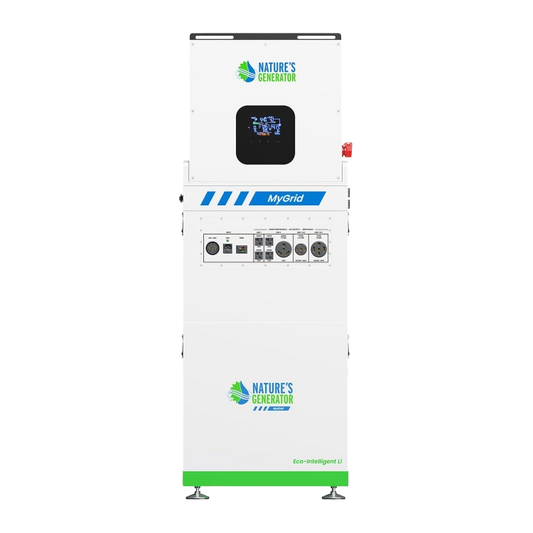
One of the most trusted names in the space is Nature's Generator. These systems are designed to bridge the gap between heavy-duty industrial hardware and simple portable batteries. They allow you to scale your system—adding more batteries or solar panels as your needs grow.
Planning for the Next Outage: A Strategic Approach
When the lights go out, your plan should be automated. You should not be fumbling in the dark trying to figure out how to wire a generator.
Step 1: The Audit
Start by listing your essential appliances. A standard refrigerator draws about 150-200 watts per hour, but it cycles on and off. A CPAP machine, a few LED lights, and a laptop are low-wattage items that are easy to manage. Write down the starting and running wattage of your "must-haves."
Step 2: The Infrastructure
If you choose a solution like a Nature's Generator, you can place the unit near your common area. Many homeowners use a transfer switch or a simple extension cord system to power their essentials. If you are using a solar generator for home use, ensure it is fully charged before a storm hits.
Step 3: Monitoring the PPL Outage Map
Keep the PPL outage map bookmarked. It provides real-time data on the status of the grid, estimated repair times, and the number of customers affected. Understanding how widespread the damage is helps you decide whether you need to ration your power conservatively or if you can afford to run a few extra lights.
Maintaining Your Energy Independence
Once you have your emergency power system in place, you need to treat it like an insurance policy—you hope you never need it, but you are glad it is there.
Best Practices for Battery Health
-
Keep it Charged: Ensure your system is at 100% capacity before a forecasted storm.
-
The Periodic Cycle: Even if there are no outages, drain and recharge your system every few months. This keeps the internal battery chemistry healthy.
-
Cable Integrity: Store your charging cables and solar panels in a dedicated, dry spot so they are ready the second you need them.
When the Red Map Turns Gray
There is a strange sense of satisfaction when you are sitting in a well-lit home, your laptop is charging, and your refrigerator is humming along, while the rest of the street is dark. That satisfaction is the result of planning.
When you see the PPL outage map update to show your area is back online, you can feel proud that you did not spend your outage shivering in the dark or worrying about spoiled food. You kept your family comfortable and safe using reliable, quiet technology.
Final Thoughts on Preparedness
The weather in Pennsylvania is only going to get more unpredictable. Instead of viewing the next storm as a catastrophe, view it as a test of your preparedness. By investing in a high-quality solar generator for home use, you are buying peace of mind.
Whether you opt for a Nature's Generator to get started or build a massive custom array, the goal remains the same: independence from a grid that cannot always keep up with Mother Nature. Start small if you have to, but start today. Don't wait for the next storm to knock on your door before you decide to take control.
Frequently Asked Questions
How long will a solar generator keep my fridge running? It depends on the capacity of your battery and the efficiency of your fridge. Most modern solar generators can keep a standard refrigerator running for 12 to 24 hours on a single charge.
Is a solar generator strong enough to power my whole house? A standard portable solar generator is usually meant for essentials. If you want to power an entire house, including HVAC systems and major appliances, you would need a larger, permanent whole-home solar storage system.
Do I need a professional to install these systems? Most portable solar generators are plug-and-play. However, if you want to integrate a system into your home’s main breaker panel via a transfer switch, it is highly recommended to hire a licensed electrician.
How do I track outages effectively? Bookmark the PPL outage map on your browser. During a storm, traffic to the site can be high, so having it saved can save you time when you are trying to get updates on repair crews.


