


Living in a tiny home kit is a lifestyle committed to efficiency, sustainability, and freedom. However, the primary challenge we usually hear from new owners is how to prevent a small footprint from feeling cramped. At Nature’s Generator, we believe that your home should feel like a sanctuary, not a storage unit. By combining clever interior design hacks with the right technology—like portable house generators and a robust Whole home power backup—you can create a high-functioning space that feels twice its actual size.
This guide answers the most pressing questions about tiny home optimization, from structural layout secrets to managing essential utilities like the Lithium 3600 solar generator and Power Pods. Whether you are building a weekend getaway or a full-time off-grid residence, these expert-backed strategies will help you maximize every square inch.
How Can I Design a Tiny Home Layout That Doesn’t Feel Cramped?
The foundation of a spacious-feeling tiny home kit is not just the square footage, but how you "zone" that footage. Based on our experience working with off-grid homeowners, the most successful layouts treat every area as a multi-purpose zone rather than a single-use room.
Use the "Zoning" Method Without Walls
Instead of using physical walls, which block sightlines and light, use furniture and floor textures to define areas. A well-placed rug can distinguish the living room from the kitchen, while a change in floor level (like a raised platform for the bed) creates a psychological boundary. This keeps the air flowing and the eyes moving, making the interior feel expansive.
Prioritize Verticality
In a tiny home, your floor is for living, and your walls are for storage. We recommend installing floor-to-ceiling cabinetry. By taking your storage to the highest point of the ceiling, you draw the eye upward, emphasizing the height of the room rather than the narrowness of the floor. This is also an ideal place to integrate your reliable power backup systems. Many of our customers tuck their Lithium 3600 units into the bottom of a vertical pantry or a dedicated "utility closet" to keep the living area clear of cables.
Structural Elements to Consider
-
Pocket Doors: These slide into the wall, saving the 9-12 square feet of "swing space" a traditional door requires.
-
Large Windows: Increasing natural light is the fastest way to expand a room. Position your main seating area facing the largest window to blur the line between indoors and out.
What Kind of Furniture Actually Saves Space in a Tiny House?
Not all small furniture is good for tiny homes. In fact, many people make the mistake of buying many small pieces, which actually makes a room look cluttered. We suggest investing in fewer, larger, transformative pieces.
The Power of Multi-Functional Pieces
The cornerstone of tiny living is furniture that performs at least two roles:
-
Murphy Beds and Sofa Beds: A bed that disappears during the day or a sofa that converts into a guest sleeper is essential.
-
Nesting and Drop-Leaf Tables: Use a full-sized table for dinner or as a workspace, then fold it down to a slim profile against the wall when finished.
-
Storage Ottomans: These provide seating, a footrest, and a place to hide linens or seasonal gear.
Furniture Scale and Perception
Choose furniture with exposed, slender legs. When you can see the floor underneath a sofa or a bed, the brain perceives more open space. Avoid boxy furniture that sits flat on the floor, as it acts like a visual roadblock.
How Do I Manage Bulky Utilities and Power Systems in a Small Space?
One of the biggest concerns for kit home owners is where to put the "guts" of the house—the water heaters, batteries, and electrical panels. If you are aiming for energy independence, you need a system that is powerful but doesn't dominate your floor plan.
Integrating Your Solar Generator
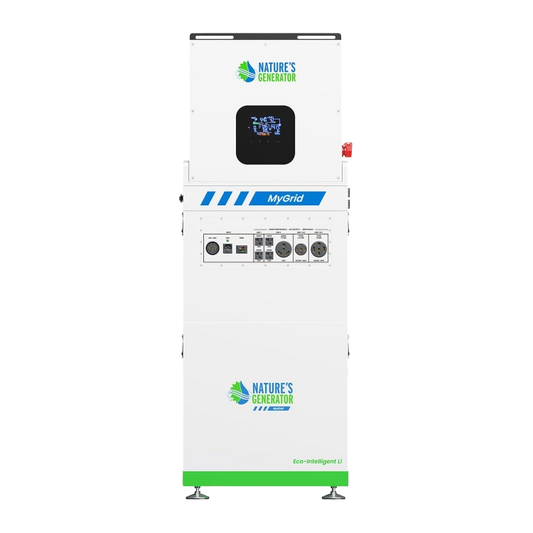
The Lithium 3600 solar generator is designed with a sleek, vertical profile that fits perfectly into the narrow nooks of a tiny home. Because it is a "silent" portable house generator, you don't need a separate shed or noisy outdoor enclosure. Our customers often build a "power bench" in their mudroom or under a window seat that houses the generator and its accompanying Power Pods.
|
Feature |
Benefit for Tiny Homes |
|
No-Vent Design |
Can be stored in closets or under-bed compartments without heat issues. |
|
Expandable Capacity |
Start with one unit and add Power Pods as your needs grow without redesigning the space. |
|
User-Friendly Ports |
All plugs are front-facing, allowing you to push the unit flush against a back wall. |
By centralizing your solar power station inside a built-in cabinet, you eliminate the "clutter" of traditional bulky electrical setups.
What Visual Hacks Make a Small Room Look Significantly Larger?
Interior designers use "optical illusions" to change how we perceive volume. You can apply these same tricks to your tiny home kit to create a high-end, airy feel.
The Mirror Trick
Placing a large mirror opposite a window is the oldest hack in the book because it works. It reflects the outdoor view and doubles the amount of natural light entering the home. If a full-wall mirror feels too bold, consider mirrored backsplashes in the kitchen or mirrored cabinet doors.
Unified Color Palettes
Using a single, light color for the walls, ceiling, and even large furniture pieces prevents the eye from stopping at "edges." Whites, light greys, and pale woods reflect light best. If you want a pop of color, keep it to small accents like pillows or a single piece of art.
Statement Ceilings
While the floor should remain as clear as possible, the ceiling is a "fifth wall" where you can add character. Exposed beams or a simple light-colored wood paneling can draw the eye up, making the room feel taller.
Why Should I Prioritize Portable Power Over Fixed Electrical Systems?
When you buy a tiny home kit, you are often looking for flexibility. Traditional "standby" generators are heavy, permanent, and require professional installation that can take up valuable exterior wall space and interior wiring channels.
The Versatility of the Lithium 3600
Choosing a portable house generator like the Lithium 3600 gives you several advantages in a tiny home:
-
Mobility: If you decide to move your tiny home or expand it, your power moves with you.
-
No Permissions Needed: Unlike fixed generators, portable units often don't require the same level of permits, which can speed up your move-in date.
-
Emergency Preparedness: In a tiny home, space for "emergency supplies" is limited. Having your primary power source also double as your backup emergency power ensures you are always prepared without needing extra storage.
One of our clients, who lives in a 250-square-foot kit home in the Pacific Northwest, uses two Power Pods daisy-chained to their main unit. This setup allows them to run a mini-fridge, laptop, and lights for days, even during cloudy stretches, all while the system stays tucked away in a customized corner cabinet.
Living Large in a Tiny Footprint
Maximizing space in a tiny home kit is about intentionality. Every piece of furniture should have a job, every wall should serve a purpose, and your utilities should work for you without getting in your way. By integrating smart storage, using light-reflective design hacks, and choosing a compact yet powerful home power backup system like the Lithium 3600 solar generator, you can enjoy all the comforts of a traditional home in a fraction of the space.
Nature’s Generator is committed to helping you achieve energy independence with solutions that fit the modern, minimalist lifestyle. Don't let a small space limit your big dreams—plan your layout with power and efficiency in mind, and your tiny home will truly feel like a masterpiece of design.
Explore our full range of solar generators and see how easy it is to bring clean, quiet energy to your space.


