


A power outage is far from being a mere inconvenience in today's technologically advanced society. This is a major disturbance. No matter what you're doing—running a remote company, maintaining a nursery, or even simply preventing the freezer from becoming a swamp—a backup power plan is essential.
An automatic start generator for home is the best option. You won't have to fumble through the rain with a torch like those rudimentary portable devices; these systems are sophisticated. Always on the lookout for any disruptions in the power system, they will activate the instant they detect a problem with your utility line.
Why Every Modern Home Needs an Auto-Start System
Think of an integrated generator as an invisible insurance policy. When the sky turns gray and the neighborhood goes dark, your home stays illuminated. This transition happens through a sophisticated dance between the engine and your electrical panel.
The magic happens via a generator auto start kit. This hardware bridges the gap between a standard engine and a smart home. It essentially gives your generator a brain, allowing it to talk to your house and decide exactly when to kick in without you ever lifting a finger.
The Anatomy of an Automatic Setup
To get this right, you need to understand the three pillars of the system:
-
The Energy Source: This can be a standby unit fueled by natural gas or a versatile solar-based solution like a Nature's Generator system.
-
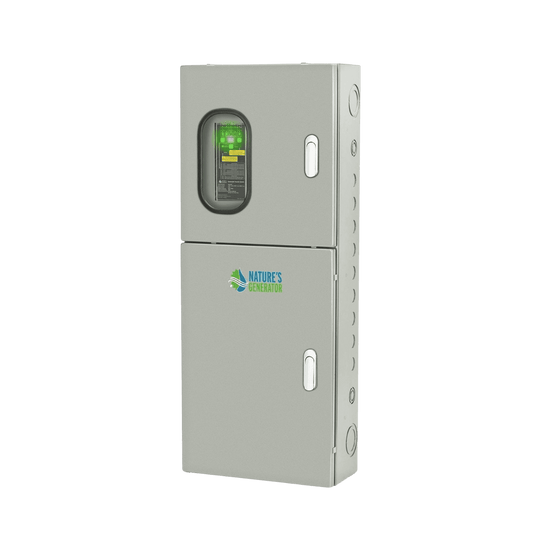
The Transfer Switch: The gatekeeper that prevents power from backfeeding into the street (which is a massive safety hazard for utility workers).
-
The Start Module: The component that triggers the ignition sequence when voltage drops below a certain threshold.

Getting Under the Hood: The Wiring Logic
For the DIY-inclined or those simply wanting to speak the same language as their electrician, looking at a generator’s auto start wiring diagram is the first step. This schematic shows how the control wires connect the sensing circuit to the starter motor.
Essentially, the system looks for a constant signal from the utility. When that signal disappears, a relay closes, mimicking the turn of a key. Most modern kits use a two-wire start system, which is the industry standard for reliability.
Why THD Matters for Your Gadgets
You might hear engineers talk about Total Harmonic Distortion (THD). In plain English, this is how clean your electricity is. Cheap, dirty power can fry the sensitive microchips in your MacBook or your smart fridge. High-quality automatic systems are engineered to keep THD low, ensuring the power coming out of your backup is just as safe as what comes out of your wall on a sunny day.
Planning Your Load: How Much Power Do You Really Need?
Before you bolt anything to a concrete pad, you have to do the math. Are you looking to keep the whole house humming, or just the survival essentials?
-
The Essentials (8kW – 12kW): This covers your fridge, well pump, basic lights, and internet router.
-
The Full Experience (20kW – 26kW+): This allows you to run the central air conditioning, the electric dryer, and the dishwasher all at once.
To calculate your specific needs, you need to look at the starting wattage of your largest motors. An air conditioner might only use 3,000 watts to stay running, but it might need 9,000 watts just to get the compressor spinning. If your generator is too small, it will stall the moment the AC tries to kick in.
Installation: A Step-by-Step Reality Check
Installing an automatic start generator for home use is a weekend project for some, but a professional job for most. Here is how the process usually unfolds:
1. Site Prep
Your unit needs to breathe. It must be placed at least 5 feet away from windows and doors to keep carbon monoxide out of your living space. Most people use a pea gravel bed or a pre-cast concrete slab to keep the unit level and away from moisture.
2. The Fuel Connection
If you are using a gas-powered unit, you will need a high-volume line. If you are leaning toward a sustainable route, a Nature's Generator setup uses solar panels and wind turbines to keep its internal batteries topped off, removing the need for plumbing altogether.
3. Integrating the Transfer Switch
This is where the heavy lifting happens. The Automatic Transfer Switch is installed next to your main breaker box. It acts as the traffic cop, shifting the load from the grid to the generator and back again once the utility company fixes the lines.
Maintenance: Keeping the Beast Ready
An automatic generator is like a car that sits in the garage for months but has to win a drag race the second you start it. You cannot ignore it.
|
Task |
Frequency |
Why it matters |
|
Exercise Cycle |
Weekly |
Circulates oil and keeps the battery charged. |
|
Oil Change |
Every 100 hours |
Prevents engine seizure during long outages. |
|
Battery Check |
Every 6 months |
The most common reason generators fail is a dead starter battery. |
Most modern systems will actually send a text to your phone if they fail their weekly self-test. This kind of smart monitoring ensures that when the storm of the century hits, you aren't left in the dark because of a $20 battery.
Integrating a generator auto start kit is about more than just convenience. It is about taking control of your environment. In a time when the grid is aging and weather patterns are becoming more unpredictable, having a system that thinks for itself is the ultimate home upgrade.
Whether you go with a traditional combustion engine or a silent, solar-powered unit from Nature's Generator, the goal is the same: seamless, reliable power.


