


Power outages are unpredictable, but reliable backup power provides the confidence and peace of mind your family deserves. Whether you depend on portable backup power for essential electronics or depend on a whole home power generator connected to a solar power generator, the inverter inside your system plays a huge role.
Our team builds home backup systems designed to keep your critical appliances running safely during severe weather and grid disruptions. This guide breaks down the difference between pure sine wave and modified sine wave inverters, explains why modern appliances need clean electricity, and helps you choose the safest setup for your home.
What Is the Difference Between Pure Sine Wave and Modified Sine Wave?
To understand inverters, think about how electricity travels. Batteries store energy as Direct Current (DC), which flows in a single straight line. However, the electrical outlets in your home use Alternating Current (AC), which flows in smooth, repeating waves.
An inverter takes energy stored in DC batteries and modifies it into the AC power your home electronics require.
Pure Sine Wave Inverters
A pure sine wave inverter creates a smooth, clean wave of power that is identical to (or better than) the power supplied by your electric company. It delivers steady electricity with virtually no electrical noise or instability.
Modified Sine Wave Inverters
A modified sine wave inverter creates a rough, choppy approximation of electricity. Instead of a smooth curve, it switches voltage back and forth abruptly in blocky, stair-step shapes. While these inverters are cheaper to make, their harsh power creates electrical noise and heat.
|
Feature |
Pure Sine Wave Inverter |
Modified Sine Wave Inverter |
|
Wave Shape |
Smooth, continuous curve |
Rough, blocky stair-steps |
|
Power Quality |
Identical to clean city grid power |
Crude approximation of wall power |
|
Appliance Safety |
100% safe for all devices and electronics |
Can damage smart chips and motors |
|
Noise & Vibration |
Quiet, flicker-free operation |
Causes loud humming, buzzing, or screen lines |
|
Heat Creation |
Low, normal operating temperature |
High (wastes up to 30% of power as heat) |
Why Do Modern Household Appliances Need Pure Sine Wave Power?
Years ago, appliances were simple. Old light bulbs, toaster heating elements, and simple motors didn't care what shape the electrical wave was. Today, almost every modern appliance relies on sensitive microchips, digital timers, and smart variable-speed motors.
Smart Electronics and Microchips
Modern equipment—like smart refrigerators, laptops, OLED TVs, and medical CPAP machines—relies on precise timing to operate. A pure sine wave provides smooth timing. The choppy, blocky current from a modified sine wave can confuse sensitive timers, leading to error codes, random resets, or complete device failure.
Motors and Compressors
Refrigerators, air conditioners, washing machines, and sump pumps use motors that expect smooth electrical waves. When driven by rough, choppy power, the motor struggles against the current. This causes the motor to vibrate, make a loud mechanical hum, run hotter, and consume more electricity.
Real-World Field Experience
Our team tested a high-efficiency refrigerator on both inverter types:
-
On modified sine wave power: The compressor motor produced a loud 60Hz hum and ran roughly 15°F hotter than normal.
-
On pure sine wave power: The compressor quieted down immediately, running smoothly at normal temperatures.
Feedback from homeowners confirms similar findings. Customers trying to run pellet stoves, CPAP machines, or microwaves on modified sine wave power often report strange behavior, such as microwaves failing to heat food evenly or digital control panels resetting mid-cycle.
What Are the Risks of Using a Modified Sine Wave Inverter?
Plugging modern appliances into a modified sine wave inverter can cause immediate failure or hidden, long-term damage:
-
Overheating and Early Failure: Because choppy power creates extra resistance, energy gets trapped as heat inside appliance motors. Over time, this heat breaks down internal insulation, shortening the lifespan of expensive fridges and pumps.
-
Audio Buzzing and Visual Lines: Sound systems may buzz loudly, and TV screens can show rolling horizontal lines.
-
Risks to Medical Devices: Sensitive health equipment like CPAP machines can fail to maintain steady air pressure or overheat.
-
Voided Warranties: Many appliance makers explicitly state that damage caused by unapproved power sources (like modified sine wave generators) will void your warranty.
Which Inverter Type Fits Your Home Power Needs?
Choosing the right inverter comes down to what devices you need to run during an outage.
When Modified Sine Wave May Be Okay
-
Simple corded power tools (brushed motors) on a job site.
-
Basic resistive heating devices (simple hot plates or space heaters).
-
Standard incandescent light bulbs.
When Pure Sine Wave Is Essential
-
Kitchen Appliances: Refrigerators, freezers, microwaves, and induction cooktops.
-
Medical Equipment: CPAP machines, oxygen concentrators, and health monitors.
-
Home Office & Entertainment: Laptops, routers, desktop computers, and smart TVs.
-
HVAC & Plumbing: Sump pumps, well pumps, and furnace blowers.
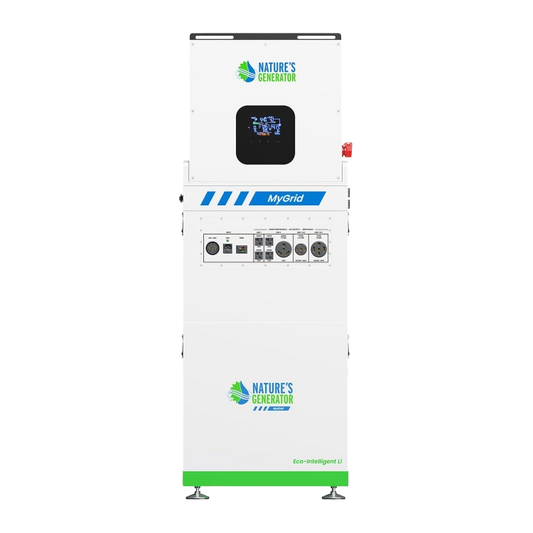
When preparing for home backup, explore full systems like our solar generators, which use pure sine wave technology. For mobile power, compact units like portable power stations keep personal devices charged safely, while comprehensive whole home backup solutions protect your entire house.
How Does Inverter Quality Affect Battery Life?
Wave quality directly affects how long your backup batteries last during a blackout.
When an inverter sends modified sine wave power to a refrigerator or pump, the motor loses up to 30% of its energy as wasted heat. To keep running, the motor draws extra current, draining your battery bank significantly faster.
Pure sine wave inverters allow motors to run at peak efficiency. This keeps your appliances cooler, stretches your battery runtime longer during an emergency, and protects the health of your battery storage over time.
Making the Right Decision is Important for Your Own Peace of Mind
Understanding inverters comes down to protecting your household electronics and ensuring reliable performance when you need it most.
While modified sine wave inverters are cheaper upfront for basic tools, their rough power, high heat, and potential to damage smart electronics make them risky for modern homes. Pure sine wave inverters deliver clean, grid-quality electricity that protects microchips, keeps motors running quietly, and ensures full compatibility across all appliances.
At Nature's Generator, our team uses pure sine wave technology across our entire line of renewable backup power systems, giving you complete confidence that your home remains safely powered during any outage.


